Quick answer
NHS ear wax removal was effectively withdrawn from routine GP provision in England in 2020, when it was classified as a low-value procedure. Patients are now largely expected to manage wax themselves or seek private treatment. Safe, affordable alternatives include microsuction and ear irrigation at private clinics like Ear Rescue.
If you have tried to get your ears syringed through your GP surgery in recent years, there is a good chance you were turned away. This surprises a great many people, and understandably so — ear syringing used to be a routine NHS service, and many patients remember attending their GP or practice nurse for it without a second thought.
That has changed significantly. Ear wax removal is now largely absent from routine NHS provision in England, and the impact on patients has been considerable. This article explains why the change happened, what it means for you, and what the alternatives are.
What Changed and Why?
In 2020, NHS England issued guidance that effectively removed routine ear wax removal from the list of procedures that GPs were expected to provide, classifying it as a ‘low value’ intervention in the context of primary care commissioning. The intention was to reduce unnecessary appointments and free up GP time for higher-priority clinical work. However, the practical effect for patients was the removal of a service that, for many people, is not a minor convenience but a genuine medical need.
The situation varies between different parts of the country. Some GP practices still offer the service; others refer patients to local audiology or ear, nose and throat (ENT) departments. Many simply advise patients to try ear drops and, if those do not work, to seek private treatment. The result is a postcode lottery that leaves a significant number of people unsure what to do or where to turn.
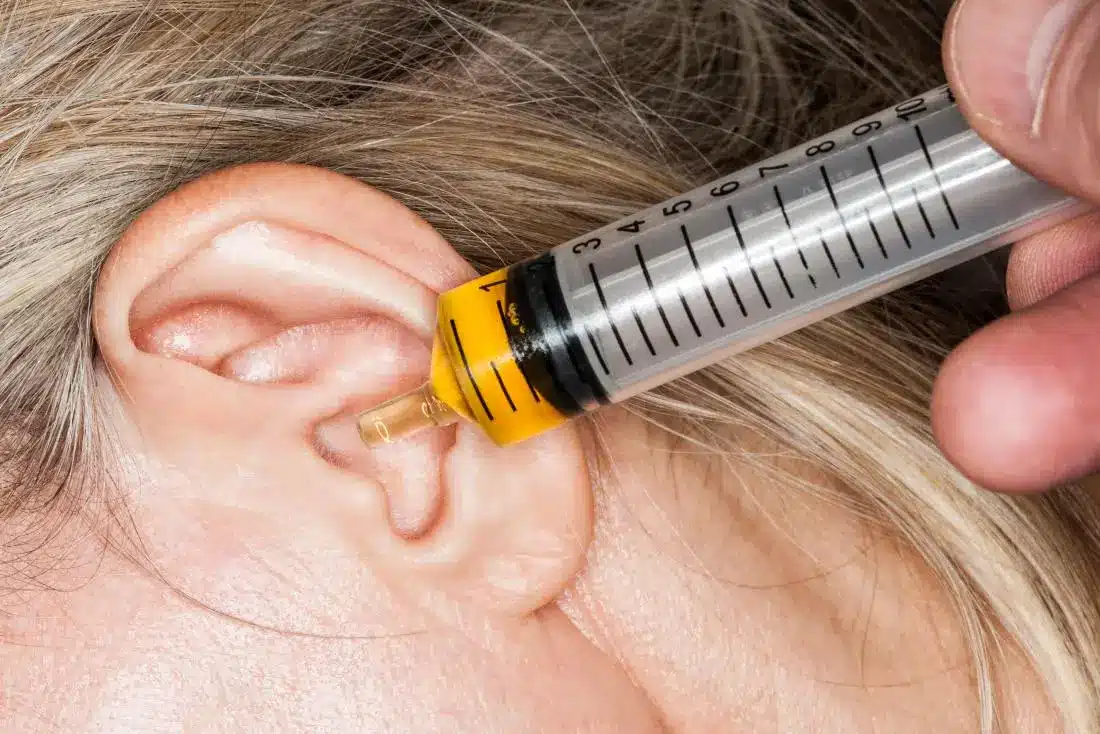
Compounding this is the fact that many GP surgeries moved away from ear syringing even before the 2020 guidance, partly because the method carries a higher risk profile than modern alternatives and requires specific training and equipment to perform safely. The old high-pressure metal syringe, while still remembered vividly by many patients, was not without its risks — and many practices chose to step away from it when modern microsuction became the preferred clinical standard.
Is Ear Wax Build-Up a Serious Problem?
For those who have been told to manage it themselves or to simply wait it out, it is worth being clear: ear wax build-up can have a very real impact on quality of life. Symptoms that a blocked ear can cause include:
- Significant, sometimes sudden, reduction in hearing
- A constant or intermittent feeling of fullness or pressure in the ear
- Tinnitus — ringing, buzzing or rushing sounds in the ear
- Earache or discomfort
- Dizziness or balance disturbance
- Itching or irritation in the canal
For older adults, for hearing aid users, and for those who work in environments where clear hearing is important, these are not trivial inconveniences. Untreated blocked ears can contribute to social isolation, fatigue from the effort of hearing, and in some cases falls — because the ear plays a role in balance. Telling someone to live with these symptoms while they wait for a GP appointment or an ENT referral is not a neutral recommendation.
What About Ear Drops — Do They Work?
Ear drops are often the first thing recommended when a GP declines to remove wax directly, and in some cases they can be helpful. Softening drops — whether olive oil, bicarbonate of soda solution, or proprietary products — work by making the wax softer and more mobile, encouraging the ear to clear itself naturally over time.
For mild build-up in a healthy ear, this approach can be effective, though it may take several weeks to see results. However, drops have significant limitations. They do not work well for hard, dry, or impacted wax. They do not provide immediate relief. They are not appropriate for everyone — those with perforated eardrums or a history of ear surgery should not use them without professional advice. And for many patients, drops soften the wax without the ear being able to move it out, leaving a softened blockage that still needs to be removed.
If you have been using drops for two weeks without improvement, or if your symptoms are significant, professional removal is the appropriate next step.
Can I Still Get Ear Wax Removal on the NHS?
In some circumstances, yes. If ear wax is causing clinically significant hearing loss, or if there are other complications present, a GP may refer a patient to audiology or ENT for treatment. However, the threshold for referral varies between practices, and the wait times for NHS audiology or ENT appointments can be lengthy.
If your GP does still offer ear wax removal, it is worth asking — though you should be prepared to be advised towards private treatment. Some audiology departments will accept self-referrals for ear wax removal; it is worth checking with your local trust.
Private Ear Wax Removal: What to Look For
For most people in England today, private ear wax removal is the most practical route to clear ears. The private sector has expanded significantly to fill the gap left by the NHS, and there are now a wide range of providers — from national chains operating from high-street opticians to specialist ear care clinics and independent Ex NHS Nurses like myself.
When choosing a private provider, there are some important things to consider.
Clinical qualifications and training
Ear wax removal should be carried out by a clinician with specific training in the procedure. Ask about the qualifications and experience of the person who will be treating you. A registered nurse, audiologist, or ENT practitioner with appropriate training in microsuction or irrigation is what you are looking for.
Assessment first
Any reputable provider will carry out a thorough assessment before attempting wax removal. This means looking inside the ear with an otoscope or endoscope to understand what is present and whether treatment is appropriate. If someone offers to remove your wax without examining your ear first, walk away.
Method
Ask whether the provider offers microsuction, irrigation, or both. As discussed in other articles on this blog, different ears suit different methods, and a good clinician will choose based on what they find in your ear rather than defaulting to a single approach.
Aftercare advice
After treatment, a good clinician will give you advice on preventing future build-up and will tell you how often they recommend you return based on your individual pattern. This is part of the value of seeing a specialist rather than simply having a quick procedure done.
Ear Rescue: Specialist Private Ear Care in Lincolnshire
At Ear Rescue, we established our service specifically because we recognised the gap that has opened up in local ear care since the NHS withdrew routine wax removal. We offer professional, safe, and affordable ear wax removal for adults and children across Boston and the wider Lincolnshire area, including home visits for those who cannot easily travel.
As an Ex NHS Nurse with more than 25 years of clinical experience — and as someone who has personally experienced the impact of hearing loss — I understand what it means to have an ear problem that is not being addressed. Our service exists to provide the kind of thorough, unhurried, genuinely expert care that this situation calls for.
We offer microsuction, ear irrigation, endoscopic ear examination, ear health checks, and dedicated services for children, hearing aid users, and care home residents. We are transparent about our fees, and we will always tell you honestly if we think you need a different kind of help.
Frequently Asked Questions
Quick answers to common questions about booking and your appointment.
View all frequently asked questionsAbsolutely. Drops are often the first step, and they do help in some cases, but they are not always sufficient on their own. If you have been using drops for a week or two without improvement, or if your symptoms are significant, booking a professional assessment is the right move.
No. You can book directly with us without any referral. Simply get in touch and we will arrange an appointment.
In the vast majority of cases, yes. The reason most GP practices no longer offer ear wax removal is capacity and commissioning, not clinical complexity. We have the equipment, the training, and the time to assess and treat ear wax build-up properly.
We aim to offer appointments promptly. Please contact us and we will give you the most up-to-date information on availability.
Final Thoughts
The withdrawal of routine ear wax removal from NHS primary care has left many patients without a clear pathway to treatment. The result is people living with blocked ears, reduced hearing, and discomfort for far longer than necessary.
Private specialist ear care is a safe, effective, and accessible alternative. If you are struggling to get help through your GP, please do not simply put up with it. Good ear health is worth looking after, and professional help is available.
Our guide to microsuction vs ear irrigation can help you choose the right modern alternative. Find out more about what to expect at your first ear wax removal appointment, or book an appointment with Ear Rescue today.
Boston, Lincolnshire
Ready to get your hearing back?
Jo sees every patient personally — no assistants, no shortcuts. Same-week appointments available, with gentle treatment from an Ex NHS Nurse with 25+ years of experience.
- Consultation from £20
- One ear £40
- Both ears £60
- Home visits available
- Ex NHS Nurse
- Same-week appointments
- Home visits available
- Boston, Lincolnshire
